Benificial Islaamic Books


االسلام عليكم ورحمة الله وبركاته (Al-Salaamu 'Alaikum wa Rahmat Allahi wa Barakatuh),

I hope this finds you all in best of your health and eeman, inshaAllah.

Ikhwaniy wa Akhawatiy fee'l Islam,
I am sure those of you interested in Islam like to read books (Islaamic) and you might have already read many books and gained benificial knowledge, inshaAllah.
However, my intention behind writing this post is to inform you of some very benificial classical and contemporary books which are available online. if you can you can get Hardback (binding) copies of them for very cheap prices or you can download them from different websites.

So below I will link you to some books which I found to be very benifial, inshaAllah. I will link you to both Hardback original books and PDF's too.


'Aqeedah

Kitab At-Tauhid Kitab At-Tauhid
 

by Shaykh Muhammad Ibn 'Abd Al-Wahhab
Original book (hardback) - Kitab At-Tauhid
PDF - Click here

Al-'Aqidah Al-Wasitiyyah (2 Vol. Set)


Al-'Aqidah Al-Wasitiyyah (2 Vol. Set)


by shaykh Muhammad Bin Saalih al-'Uthaymin
Original book (hardback) - Al-'Aqidah Al-Wasitiyyah (2 Vol. Set)
PDF - Click Here


Seerah Ar-Rasulullah (biography of the messenger of Allah)


by Al-Imaam Ibnul Qayyim al-Jawziyyah (rahimahullahu ta'ala)
Original Book (hardback) - Mukhtasar Zad Al-Maad
PDF - Click here
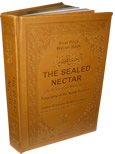


by Shaykh Safi Al-Rahmaan al-Mubarakpuri
Original book (hardback) -Ar-Raheeq Al-Makhtum
PDF - Click here


Fiqh


Bulugh Al-Maram Bulugh Al-Maram


compiled by Al-Imaam Ibn Hajar al-Asqalani (rahimahullahu ta'ala)
Original Book (hardback) - Bulugh Al-Maram
PDF - Click here
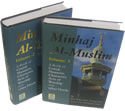
Minhaj Al-Muslim (2 Vol. Set) Minhaj Al-Muslimin


by Shaykh Abu Bakr Jabir Al-Jaza'iry
Original book (hardback) - Minhaj Al-Muslimin
PDF - not available

Ahadeeth Al-Rasulullah
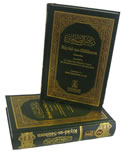

Riyad-us-Saliheen (2 Vol. Set HB) Riyad-us-Saliheen

compiled by Al-Imaam Al-Nawawi (rahimahullahu ta'ala)
Original book (hardback) - Riyad-us-Saliheen
PDF - Click here



Jami' At-Tirmidhi (6 Vol. Set) Jami' At-Tirmidhi

Compiled by Imam Tirmidhi (rahimahhullah)
original Book (hardback) - Jami' At-Tirmidhi
PDF - Click here
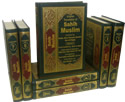

Sahih Muslim (7 Vol. Set) Sahih Muslim

Compiled by Imam Muslim (rahiahullah)
original book (hardback) - Sahih Muslim
PDF - Click here
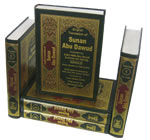


Sunan Abu Dawood (5 Vol. Set) Sunan Abu Dawood

compiled by Imam Abu dawud
original book (hardback) - Sunan Abu Dawood
PDF - Click here
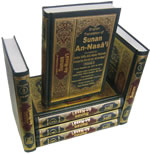


Sunan An-Nasa'i (6 Vol. Set) Sunan An-Nasa'i

compiled by Imam Nasa'i
original book (hardback) - Sunan An-Nasa'i
PDF - not available
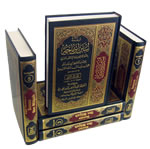

Sunan Ibn Majah (5 Vol. Set) Sunan Ibn Majah

compiled by Imam Ibn majah
Original book (hardback) -  Sunan Ibn Majah
PDF - not available
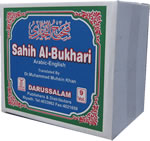

Sahih Al-Bukhari (9 Vol. Set) Sahih Al-Bukhari

compiled by Imam Bukari
Original book (hardback) - Sahih Al-Bukhari
                                                                                                           

Tafseer


by Imam Ibn kathir
Original book (hardback) - Tafsir Ibn Kathir 
PDF - Click here


Tafheem-ul-Qur'an (Meanings of the Quran - 6 Vols) - ENGLISH Tafheem-ul-Qur'an

by Mawlana mawdudi
Original book (hardback) -Tafheem-ul-Qur'an

source:http://posts.fanbox.com/3gtw3


  • Digg
  • Del.icio.us
  • StumbleUpon
  • Reddit
  • RSS
Read Comments

Download Islamic Books

As-salaamu alaikum wa rahmatullahi wa barakatuh my brothers and sisters in Islaam. I have some 140 Islamic ebooks in my computer which I collected from various source. I am giving all these books out. I would give all these books for free but brothers and sisters believe me I really need money now. So please help me by buying these books. However, if you want it for free please email me on.....
If you are willing to buy these books, I will give them for 20$.

 inshaAllah, Allah ,azza wa jal,  will help me.

Here is the list of the books,

# Hadith

1. Sahih Al-Bukhari

2. Sahih Al-Muslim (2 Vol Set)
3. Sunan Abu Dawud
4. Shamaail Tirmidhi (2 Vol set)
5. Muatta Al-Imam Malik


# Classical Books:


6. Kitab At-Tawheed
7. Why Did The Imams Differ
8. The Refutation Of Many Of The Sufi Ahaadeeth
8. Mukhtasar Al-Kalim At-Tayyib
9. Mukhtasar Al-Jawab As-Sahih Liman Baddala Dina Al-Masih
10. Jihaad Al-Kuffaar Al-Qitaal Al-Faasil
11. Ibn Taymiyyah EXPOUNDS ON ISLAM
12. Fatawa An-Nisaaa
13. Enjoining Right and forbidding wrong
14. Al-Wasiyyat Al-Kubra
15. Al-Uboodiyah
16. Al-Kaba'ir (major sins)
17. Exhortation of Imam Ash-Shaafi'ee
18. Riyad As-Saliheen
18. Guarding the Tongue (Al-Adhkaar)
19. The Book Of Knowledge
20. Kitab As-Siyar As-Saghir
21. On That Which Tongues Shall Utter and Hearts Believe of the Obligatory Religious Affairs
22. The Difference between Advising and Condemning
22. Khushu
23. Jami' Al-'Uluum Wal Hikam
24. Al-Ghurabah
25. Sharh Al-'Umdat Al-Fiqh (1)
26. Mukhtasar Minhaj Al-Qasidin
27. Mukhtasar Mashari Al-Ashwaq Ila Masari Al-Ushaaq
28. Tafsir Ibn Kathir
29. Stories Of The Quran
30. Stories Of The Prophets (Al-Bidayah Wa An-Nihaya)
31. Gazwaat Ar-Rasul
32. Book of The End . Great Trials and Tribulations
33. An-Nihaya Fee Al-Fitan Wa Al-Malaahim
34. Bulugh Al-Maram Min Adillat Al-Ahkaam
35. Nukhbat Al-Fikr
36. Path Of Guidance
37. Mukhtasar Jad Al-ma'ad
38. Az-Zuhd
39. Al-Fawa'id
40. Talbees Iblees
41. Ar-Risaalah
42. Sharh Al-Aqeeda At-Tahawiyyah
43. 'Umdatul Ahkaam Min Kalaami Khayril Anaam
44. Al-adab Al-Mufrad
45. Seerat Ib  Hisham
46. Iqdidaa aal-'ilm al-'amal
47. Al-fiqh Al-Akbar


# Contemporary
48. Tuhfatud Durar Sharh Nukhbatul Fikar Fee Mustalahi Ahlil Athar
49. As-Sayf Al-Battaar
50. The Ruling on Magic and fortune telling
51. The  Chain of Command
52. Compilation Of Hadeeth
53. Waa Islaamaah!
54. Fundamental Concepts Regarding Al-Jihaad
55. Jihaad And The Effects Of Intention Upon It
56. The Refutation Of The Doubts Concerning Bay'ah And Imaarah
57. A Message To Every Youth
58. Defence of the Muslim Lands
59. Jihad In Quran And Sunnah
60. Al-Qawaa'id wal Usool al-Jaami'ah
61. Ruling On The Travellar
62. So, Do Not Fear Them
63. Millat Ibraheem
64. Characteristics Of The Victorious
65. Condemnation Of Democratic Process
66. What Is His Name
67. 44 Ways of Supporting Al-Jihad
68. Allah Is Preparing Victory
69. Battle Of The Hearts And Minds
70. Lessons From Companions
71. The Dust Will Never Settle Down
72. Fiqh As-Sunnah
73. The Etiquette Of Seeking Knowledge
74. 200 FAQ On Aqeeda
75. Between Yesterday And Today
76. The Noble Women Scholars Of Hadeeth
77. 70 matters related to fasting
78. Al-Asaaleeb An-Nabawiyyah
79. Dealing With Worries And Stress
80. Did Shaikh Muhammad ibn Abdal Wahhaab rebel against the Othman Caliphate and what was the reason for its fall
81. Healing the Weak Imaan
82. manhiaat
83. Prohibitions That Are Taken Too Lightly
84. Fatawa Arkaan Al-Islam (2 Vol Set)
85. Explanation of the Three Fundamental Principles of Islaam
86. Sharh Al‐‘Aqeedatul Hamawiyyah
87. An-Niqaab
88. Saheeh Al-Jaami As-Sagheer Wa Ziyaadatuh'
89. The Creed of Shaykh Al-Albani on Takfir And Apostacy
90. Weak and Fabricated Narrations in Popular Islamic Books
91. Ahl As-Sunnah Wa Al-Jama'ah
92. Daar Al-Kufr And Daar Al-Islaam
93. Hal Qowl As-Sahabah Hujjah Fee Deen
94. Islam's War On Secularism
95. Kitaab Al-Hisbah
96. Nahj As-Salaf As-Saalih
97. The Ahkaam Of Zulm
98. The Islamic Education System
99. The Peace Process
100. The Road to Jannah
101. The Role Of The Mosque
102. Risaalah Ilaa Taalib al-'Ilm
103. Thawaabit ‘Ala Darb Al-Jihad
Other Books:

104. Dawah training

105. Fortune Telling
106. The Evolution of Fiqh (Islamic Law and Madhhab)
107. Usool Al-Hadith
108. Man Made Law
109. Imam Abu Hanifa His Life, Opinions and Fiqh
110. Imam Bukhari His Life and Works
111. Noble Dynasties
112. The life Of Abdullah Ibn Al-Mubarak
113. The Life, Teachings and Influence of Muhammad Ibn Abdul Wahhaab
114. The Lofty Virtues Of Ibn Taymiyyah
115. The Ideal Muslim
116. Usool Al-Fiqh Al-Islami
117. Alliance and Disavowal
118. The History of Palestine
119. Studies In Usul Al-Fiqh
120. Usool At-Takfeer
121. Principles Of Islamic Jurisprudence
122. Al-Qadaa wal Qadar
123. Qawa‘id Al-Fiqh
124. A Brief Chronology Of Islam
125. Al-Murji'ah Sect, Its History and Beliefs
126. Al-Udhiyah
127. Imam Shafi'ee
128. Islaam Is Our Citizenship!
129. The Basic Ruling On The Armies That Support The Disbelieving Governments
130. The Doubts Regarding The Ruling On Democracy In Islaam
131. The Islamic Ruling On The Permissibility of Self-Sacrificial Operations
132. Non-Muslims in the Shariah of ISLAM
133. An Introduction to the Science of Hadith
134. Democracy In Crisis
135. Emerging World Order-The Islamic Khilafah State
136. Fantastic Use Of Logic
137. Narrow-Mindedness
138. The British Plans Upon Islam and Muslims
139. The End Of The American Century
140. USA At War With Islam


if you want to buy or download (for free) these books for free than please mail me on hussain_abdullah50@yahoo.com


Thank You

Soon I will post the link from where you will be able to download the books

  • Digg
  • Del.icio.us
  • StumbleUpon
  • Reddit
  • RSS
Read Comments

ঈদের সালাত আদায়ের নিয়ম

          বিসমিল্লাহির রাহমানির রাহীম


সকল প্রশংসা আল্লাহ (সুবহানাহু ওয়া তা'আলা)-র। এবং শান্তি বর্ষিত হোক রাসুলুল্লাহ (সাঃ), তাঁর সাহাবাগন (রাঃ) এবং তাঁর পরিবারের উপর।
 --------------------------------------
             ঈদের সালাত আদায়ের নিয়ম
-------------------------------------

ঈদের সালাত আমরা সেভাবেই আদায় করি যেভাবে আমরা সাধারন দুই রাকাত সালাত আদায় করি একমাত্র তাকবীর এর কথা বাদ দিয়ে। ঈদের সালাতের বিস্তারিত সংক্ষিপ্ত বর্ণনা নিচে দেয়া হলঃ


ইমাম আযান বা ইকামাত ছাড়াই তাকবির আল-তাহরিমাহ দিয়ে সালাত শুরু করবেন। আপনি হাত কাধঁ বা কানের লতি বরাবর তুলবেন এবং হাত বাধবেন। তারপর ছানা পড়বেন। এরপর ইমাম ৩ বার তাকবির (আল্লাহু আকবার) বলবে্ন। ইমামের তাকবিরের সাথে সাথে আপনি প্রত্যেকবার-ই তুলবেন (সাথে সাথে নিচু গলায় তাকবির (আল্লাহু আকবার)বলবেন) এবং হাত না বেধেঁ ছেড়ে দেবেন। তবে ইমাম তৃতীয়বার তাকবির বলার পর আপনি হাত বাধঁবেন (যেভাবে আপনি সাধারনত ৫ ওয়াক্ত সালাতে বাধেন)। 


এই তিন তাকবিরের পর ইমাম কুরআন তিলাওয়াত করবেন যা আপনি অতি মনোযোগ সহকারে শুনবেন। এরপর সাধারন সালাতের মতই সালাতের প্রথম রাকাত শেষ হবে। 


সিজদা থেকে দ্বিতীয় রাকাতের জন্য ওটার পর ইমাম কুরান তিলাওয়াত দিয়ে শুরু করবেন (সূরা ফাতিহা এবং অন্য সূরা) আপনি শান্তভাবে ও মনোযোগ সহকারে তা শুনবেন। যখন ইমাম তিলাওয়াত শেষ করবেন তখন তিনি ৩ বার তাকবির বলবেন (এবার এই ৩ তাকবির রূকুতে যাওয়ার আগে বলবেন)। প্রত্যেক তাকবিরে আপনি আগের মতই হাত তুলবেন এবং "আল্লাহু আকবার" বলার পর হাত ছেড়ে দেবেন। এই ৩ তাকবির বলার পর ইমাম আরেকবার তাকবির (আল্লাহু আকবার) বলবেন রূকুতে যাওয়ার জন্য। এই (৪র্থ) তাকবিরে আপনি হাত তুলবেন না। এবং "আল্লাহু আকবার" বলে রূকুতে চলে যাবেন। সালাতের বাকী অংশ সাধারন ৫ ওয়াক্ত সালাতের মতই শেষ করবেন।

                ----সমাপ্ত----
------------------------------------------

বুধবার,
১১ যুল-হিজ্জা, 
১৪৩১ হিজরী

আস সালামু ' আলাইকুম ওয়া রাহমাতুল্লাহ।


                      সবাইকে ঈদের শুভেচ্ছা
                ঈদ আল-আদহা মুবারাক
 

  • Digg
  • Del.icio.us
  • StumbleUpon
  • Reddit
  • RSS
Read Comments

সালাত-উল-ইসতিখারাহ আদায় করার নিয়ম

উৎসঃ ফিকহ-উস-সুন্নাহ, দ্বিতীয় খন্ড, নাম্বার ৩২ এবং ৪নং খন্ড, ১৪১ নাম্বার।

প্রায়ই আমাদের জীবনের অনেক বড় বড় সিদ্বান্ত নিতে হয়। যেমনঃ কোন প্রজেক্ট শুরু করব কিনা? পেশা পরিবরতন করব কিনা? নতুন করে বিনিয়োগ করব কিনা? বিয়ে করব কিনা? ইত্যাদি।

ইস্তিখারাহ(আরবি)- এর মানে "আল্লাহর কাছে কল্যান কামনা করা"। সাধারনত ইস্তিখারাহ করা হয় যখন দুটি বৈধ কাজের মধ্যে একটি-কে নির্বাচন করতে হয়। যেমনঃ পেশা নির্বাচন, বিয়ে, ব্যবসা ইত্যাদি। একইভাবে, একজন ভ্রমনকারির-ও ভ্রমনে বের হওয়ার আগে একজন ভাল মানুষের সাথে আলোচনা করা উচিত এবং ইস্তিখারাহ করা উচিত এবং আল্লাহ সুবহানাহু ওয়া তা'আলা- এর কাছে কল্যান কামনা করা উচিত

সা' দ ইবনে ওয়াকাস (রাদিআল্লাহু আনহু) হতে র্বণিত হয়েছে যে রাসুলুল্লাহ, সাল্লাল্লাহু আলাইহি ওয়া সাল্লাম, বলেছেন যে, "ইস্তিখারাহ হচ্ছে মানুষের উপর আল্লাহর স্বতন্ত্র অনুগ্রহের একটি, এবং আল্লাহর সিদ্ধান্ত নিয়ে খুশি থাকা আদম সন্তানের জন্য একটি ভাগ্যের ব্যাপার। এবং আদম সন্তানের জন্য একটি দুঃভাগ্যের বিষয় হচ্ছে ইস্তিখারাহ করতে র্ব্যথতা, এবং আল্লাহর সিদ্ধান্ত নিয়ে খুশি না হওয়া-ও আদম সন্তানের জন্য একটি দুঃভাগ্য ।"

ইবনে তাইমিয়্যাহ (রাহমাতুল্লাহি আলাইহি) বলেছেন, "যে ব্যক্তি সৃষ্টিকরতার কাছে কল্যান কামনা করে এবং সৃষ্ট জীবের মধ্যে মু'মিনদের সাথে পরামর্শ করে, সে কখনো অনুতপ্ত হয় না।"

সালাতুল ইস্তিখারাহ সম্পরকে আল-বুখারির একটি হাদিসে বিস্তারিত র্বণনা আছে । হাদিসটি নিম্নোরুপঃ

"হযরত জাবির ইবনে আব্দুল্লাহ (রাদিআল্লাহু আনহু) থেকে র্বণিত আছে, রাসুলুল্লাহ, সাল্লাল্লাহু আলাইহি ওয়া সাল্লাম, আমাদেরকে ইস্তিখারাহর (কল্যানের ইঙ্গিত প্রার্থনার) সালাত ও দু'আ শিক্ষা দিতেন, যেমন ভাবে আমাদেরকে কুরআনের সূরা শিক্ষা দিতেন। তিনি (রাসুলুল্লাহ, সাল্লাল্লাহু আলাইহি ওয়া সাল্লাম) বলেনঃ যখন তোমাদের মধ্যে কোন গুরুত্বপূর্ণ কাজের পদক্ষেপ নেয়ার ইচ্ছা করে, তখন সে যেন দু'রাকাত নফল সালাত পড়ে অতঃপর এই দু'আ পড়েঃ

""আল্লাহুম্মা ইন্নি আস্তাখিরুকা বি'ইলমিকা, ওয়া আসতাক্‌দিরুকা বি-কুদরাতিকা, ওয়া আস-আলুকা মিন ফাদলিকাল আজিম, ফা-ইন্নাকা তাক্‌দিরু ওয়ালা আক্‌দিরু,ওয়া তা' লামু, ওয়ালা আ' লামু, ওয়া আনতা 'আল্লামু-ল গুয়ুব, আল্লাহুম্মা ইন কুনতা তা 'লামু আন্না হাযা-ল আমরা -- ওয়া-ইয়াসমায়্যি হাজাতাহ--খাইরুন লি ফি দ্বীনি ওয়া মা' আশি ওয়া' আকি্‌বাতি আমরি--(অথবা) 'আজিলিহি ওয়া আজিলিহি--ফাক্‌দুরহু লি ওয়া ইয়াসসারহু লি ছুম্মা বারিক লি ফিহি, ওয়া ইন কুনতা তা' লামু আন্না হাযা-ল আমরা শাররুন লি ফি দ্বীনি ওয়ামা' শি ওয়াআ' আকি্‌বাতি আমরি--(অথবা) 'আজিলিহ ওয়া আজলিহ --ফাসরিফহু 'আন্না ওয়াসরিফনি 'আনহু ওয়াক্‌দুর লিল খাইরা হাইছু কা-না ছুম্মা আরদ্বীনি বিহি ""

অর্থঃ "" হে আল্লাহ ! আমি তোমার ইলমের মাধ্যমে তোমার কুদরতের মাধ্যমে তোমার নিকট শক্তির কামনা করছি এবং তোমার অনুগ্রহের প্রার্থনা করছি, কেননা, তুমি শক্তিধর, আমি শক্তিহীন । তুমি জ্ঞানবান; আমি জ্ঞানহীন এবং তুমি অদৃশ্য বিষয় সম্বন্ধে পূর্ণজ্ঞানী । হে আল্লাহ ! এই কাজটি (এখানে উদ্দিষ্ট কাজ বা বিষয়টি শব্দযোগে অথবা মনে মনে উল্লেখ করা হবে) তোমার জ্ঞান মুতাবিক যদি আমার দ্বীন, আমার জীবিকা এবং আমার কাজের পরিণতির দিক দিয়ে, ইহলোয়া ও পরলোকের জন্য কল্যানকর হয় তবে উহা আমার জন্য নির্ধারিত কর এবং উহাকে আমার জন্য সহজলভ্য করে দাও, তারপর উহাতে আমার জন্য বরকত দাও । পক্ষান্তরে, এই কাজটি তোমার জ্ঞান মুতাবিক যদি আমার দ্বীন, আমার জীবিকা, আমার কাজের পরিণতির দিক দিয়ে ইহকালের ও পরকালের জন্য ক্ষতিকর হয় তবে তুমি উহা আমার নিকট হতে দূরে সরিয়ে দাও এবং আমাকে উহা হতে দূরে সরিয়ে রাখ এবং যেখানেই কল্যান থাকুক, আমার জন্য সে কল্যান নির্ধারিত করে দাও । অতঃপর তাতেই আমাকে পরিতুষ্ট রাখ ।""

যে ব্যাক্তি সৃষ্টিকর্তার নিকট ইস্‌তিখারাহ করে এবং সৃষ্ট জীবের মাঝে মু'মিনদের সাথে পরামর্শ করে আর তার কাজে দৃঢ়পদ থাকে সে কখনও অনুতপ্ত হয় না ।

আল্লাহ পাক বলেনঃ

"(হে রাসুল) তুমি জরুরী বিষয়ে তাদের (সহকর্মীদের) সাথে পরামর্শ করো, তারপর যখন দৃঢ়সংকল্পতা লাভ করো, আল্লাহর উপর পুর্ণভরসা করে চলবে ।" (সূরাঃ আ'লে ইমরান - ১৫৯)


  • Digg
  • Del.icio.us
  • StumbleUpon
  • Reddit
  • RSS
Read Comments

'Abdullah 'Azzam (may Allah accept him as Shaheed) on Shaykh Usamah bin Ladin

'Abdullah 'Azzam on Usamah bin Ladin: "I
have never laid my eyes on a man like
him."


Regarding Usamah bin Ladin, 'Abdullah
'Azzam said:


"...they do not look to the dunya. If it comes to
them, it is in their hands, and does not enter their
hearts. The dunya is a means to an end, not the
end itself. So, such people eat to live; they don't
live to eat. They eat just enough to keep them
alive, and on this occasion, I would like to ask
Allah - the Mighty and Majestic - to preserve our
brother, Abu 'Abdillah, Usamah bin Ladin. I have
never laid my eyes on a man like him on this
Earth; he lives in his home like one who is in a
state of poverty. I used to stay at his home in
Jeddah when making Hajj or 'Umrah, and he did
not even have a single chair or table in the entire
house! He had four wives, and not a single one of
their houses had a chair or table in it. Any laboror
from Egypt or Jordan has a better house than
Usamah. Despite this, if you ask him for a million
riyals for the Mujahidin, he would pull out a check
and write it for you in a matter of seconds.

He once went to one of his sisters and presented
her with Ibn Taymiyyah's fatwa regarding Jihad
with one's wealth. So, she pulled out her
checkbook and wrote a check for eight million
riyals. All of a sudden, those who were around
her came to talk her out of it, asking her: "Are you
insane? You give out eight million in one shot,
while you live in a rented apartment? It will cost at
least one million for you to build your own
house!" So, she went back to Usamah and said to
him: "Usamah, my brother, I need one million of
these riyals to build a house for myself." So, he
said to her: "By Allah, I will not give you back a
single riyal, as you live in an apartment, relaxed,
while the people are dying and cannot even find a
tent to shelter themselves with!"

If you were to sit with him, you would think that
he was a servant from the servants, with his
manners and manhood. By Allah, I hold him to
be like this. I asked Sayyaf to announce a decision
to prevent him from moving from here (in
Peshawar), but he was always eager to be in the
midst of battle. His blood pressure would drop
often, so, he would fill his pockets with salt and
carry a jug of water with him. He was unable to
walk, as he would constantly have to swallow
some salt and drink some water in order to raise
his blood pressure.


Believe me when I tell you that when he would
visit me in my home, when he would hear the
telephone ring, he would get up and bring it to
me, so that I would not have to get up from my
place! Such manners, humility, manhood...we
ask Allah to preserve him, if He Wills."


['Fi Dhilal Surat at-Tawbah'; p. 301]

  • Digg
  • Del.icio.us
  • StumbleUpon
  • Reddit
  • RSS
Read Comments

The Palestinian issue

#Question:

What is the way to proceed regarding
the Palestinian issue, which has, as the days pass,
escalated in terms of complexity and violence?


#Response:

Certainly, the Muslim(s) feel much pain
and great sadness at the deteriorating situation in
Palestine, with matters going from bad to worse,
escalating in complexity as the days pass, such
that it has reached where it has (today). This is
due to the differing (occurring) between the
neighbouring countries, and their lack of united
resistance against their enemy, and (likewise) their
lack of adherence to the Sharee'ah which Allaah
has linked to victory (and success). (This is also in
addition to) the enemy vowing to oppose (the
Palestinians) and remain upon the (Palestinians')
land. And this entails great danger and adverse
consequences.

The neighbouring countries need to rush to unite
in their resistance (against the enemy) and adhere
to the Sharee'ah in confronting this issue, which
concerns them and all of the Muslim world.

And that which is worth mentioning here, is that
the Palestinian issue is an Islaamic issue from the
beginning (right through) to the end. However,
the enemies of Islaam have strived immensely to
distance it (this issue) from the Islaamic path and
convey to the non-Arab Muslims that this is an
Arab issue, and that it does not concern the non-
Arabs. It appears they have succeeded in this to a
certain extent. This is why I feel it is not possible
to reach a solution regarding this issue unless it is
deemed an Islaamic issue, and the Muslims
support one another in salvation, and make
jihaad against the Jews in an Islaamic manner,
until such time the land (of the Palestinians) is
returned to its (rightful Palestinian) owners. (In
addition to) the trespassing Jews returning to their
(own) lands where they came from, thereby
leaving the true Jews to remain in their lands
under the rule of Islaam, and not communism
and nor secularism.

Thereby, truth shall prevail
and falsehood will be abandoned, and all rightful
owners shall return to their lands under Islaamic
rule, and not under any other (rule).
And Allaah is the Expounder of Success.

Shaykh Ibn Baaz
(rahimahullah)
Majmoo' Fataawa wa Maqaalaat Mutanawwi'ah -
Volume 1, Page 277

  • Digg
  • Del.icio.us
  • StumbleUpon
  • Reddit
  • RSS
Read Comments

Ruling on shaving the beard

Praise be to Allaah.

Shaving the beard is haraam because of the
saheeh ahaadeeth that clearly state this, and
because of the general application of texts that
forbid resembling the kuffaar. One of these
reports is the hadeeth of Ibn ‘Umar who said that
the Messenger of Allaah (peace and blessings of
Allaah be upon him) said: “Be different from the
mushrikeen: let your beards grow and trim your
moustaches.” According to another report: “Trim
your moustaches and let your beards grow.”
There are other hadeeth which convey the same
meaning, which is to leave the beard as it is and
let it grow long, without shaving, plucking or
cutting any part of it. Ibn Hazm reported that
there was scholarly consensus that it is an
obligation (fard) to trim the moustache and let the
beard grow. He quoted a number of ahaadeeth
as evidence, including the hadeeth of Ibn ‘Umar
(may Allaah be pleased with him) quoted above,
and the hadeeth of Zayd ibn Arqam in which the
Prophet (peace and blessings of Allaah be upon
him) said: “Whoever does not remove any of his
moustache is not one of us.” (Classed as saheeh
by al-Tirmidhi). Ibn Hazm said in al-Furoo’: “This
is the way of our colleagues [i.e., the Hanbalis].”

Is it haraam (to shave it)? Shaykh al-Islam Ibn
Taymiyah (may Allaah have mercy on him) said:
“The Qur’aan, Sunnah and ijmaa’ (scholarly
consensus) all indicate that we must differ from
the kuffaar in all aspects and not imitate them,
because imitating them on the outside will make
us imitate them in their bad deeds and habits, and
even in beliefs, which will result in befriending
them in our hearts, just as loving them in our
hearts will lead to imitating them on the outside.
Al-Tirmidhi reported that the Messenger of Allaah
(peace and blessings of Allaah be upon him) said,
“He is not one of us who imitates people other
than us. Do not imitate the Jews and Christians.”
According to another version: “Whoever imitates
a people is one of them.” (Reported by Imaam
Ahmad) ‘Umar ibn al-Khattaab rejected the
testimony of the person who plucked his beard.
Imaam Ibn ‘Abd al-Barr said in al-Tamheed: “It is
forbidden to shave the beard, and no one does
this except men who are effeminate” i.e., those
who imitate women. The Prophet (peace and
blessings of Allaah be upon him) had a thick
beard (reported by Muslim from Jaabir). It is not
permitted to remove any part of the beard
because of the general meaning of the texts
which forbid doing so.

Fataawa al-Lajnah al-Daa’imah, 5/133

  • Digg
  • Del.icio.us
  • StumbleUpon
  • Reddit
  • RSS
Read Comments